In today's fast-paced financial markets, selecting the right trading platform can make or break your investment strategy. With global stock markets reaching record highs in 2026 and cryptocurrency volatility drawing in millions of new traders, the demand for reliable, user-friendly platforms has never been higher. According to a Statista report, over 150 million people worldwide engaged in online trading last year, up 20% from 2025, highlighting the explosive growth in retail investing. However, not all platforms are created equal—some offer robust tools for seasoned professionals, while others prioritize simplicity for beginners. Choosing poorly can lead to high fees, poor execution speeds, or even security breaches, potentially costing traders thousands.
This topic matters profoundly because the platform you use directly impacts your ability to analyze markets, execute trades efficiently, and manage risks. For instance, during the 2022 market downturn, traders on platforms with advanced charting tools were 30% more likely to mitigate losses, per a Fidelity study. Beyond personal finances, the right platform empowers informed decision-making in an era of economic uncertainty, from inflation pressures to geopolitical tensions. It also democratizes access to wealth-building opportunities that were once reserved for institutional investors.
In this comprehensive guide, we'll dive deep into the best trading platforms available today. We'll start by exploring key factors to consider, such as fees, features, and security, backed by data from industry reports. Then, we'll review top platforms like eToro, Interactive Brokers, and Robinhood, including real-world examples and user statistics. Next, we'll examine advanced tools and mobile capabilities essential for modern trading. Finally, we'll wrap up with actionable advice to help you get started. Whether you're a novice dipping into stocks or a pro trading forex derivatives, this data-driven analysis will equip you with the insights needed to select a platform that aligns with your goals.
Key Factors to Consider When Choosing a Trading Platform
When evaluating trading platforms, several core factors determine their suitability for your needs. First and foremost is the fee structure, which can erode profits over time. Commission-free trading has become standard, but hidden costs like spreads, inactivity fees, or withdrawal charges vary widely. For example, a 2023 BrokerChooser analysis found that platforms charging over 0.5% in spreads cost average traders an extra $500 annually on a $50,000 portfolio. Understanding these elements requires scrutinizing the fine print—always calculate your expected trade volume to project annual costs accurately.
Asset variety is another critical consideration, as it dictates the markets you can access. Top platforms support stocks, ETFs, options, forex, commodities, and cryptocurrencies, enabling diversified portfolios. Data from the SEC shows that diversified traders outperform single-asset ones by 15% in risk-adjusted returns. Consider platforms like TD Ameritrade, which offers over 4,000 no-transaction-fee mutual funds, ideal for long-term investors. For active traders, ensure the platform covers international exchanges, such as the London Stock Exchange, to capitalize on global opportunities.
Research and analytical tools form the backbone of informed trading. Look for platforms with real-time data, customizable charts, and AI-driven insights. A Morningstar survey revealed that 68% of successful traders rely on integrated research tools to spot trends early. Features like technical indicators (e.g., RSI, MACD) and fundamental analysis (earnings reports, analyst ratings) are essential. Practical advice: Test demo accounts to gauge tool intuitiveness—platforms without them may hinder your learning curve.
Customer support and user interface also play pivotal roles. Responsive 24/7 support via chat, phone, or email can resolve issues during volatile sessions, preventing missed opportunities. Usability testing by Nielsen Norman Group indicates that intuitive interfaces reduce error rates by 40%. Security features, including two-factor authentication and SIPC insurance up to $500,000, are non-negotiable amid rising cyber threats—FINRA reported a 25% increase in broker hacks in 2022. Finally, regulatory compliance with bodies like the SEC or FCA ensures fund safety. By weighing these factors against your trading style—scalping versus buy-and-hold—you'll avoid common pitfalls like overpaying fees or using underpowered tools.
To illustrate, a beginner might prioritize Robinhood's simple app and zero commissions, while a forex enthusiast opts for OANDA's 70+ currency pairs and tight spreads. Step-by-step guidance: 1) Define your goals (e.g., day trading stocks). 2) Compare fees using tools like Investopedia's calculator. 3) Review user ratings on Trustpilot. 4) Check mobile compatibility. This methodical approach, supported by data, minimizes regrets and maximizes returns.
Top Trading Platforms Reviewed: Data-Backed Comparisons
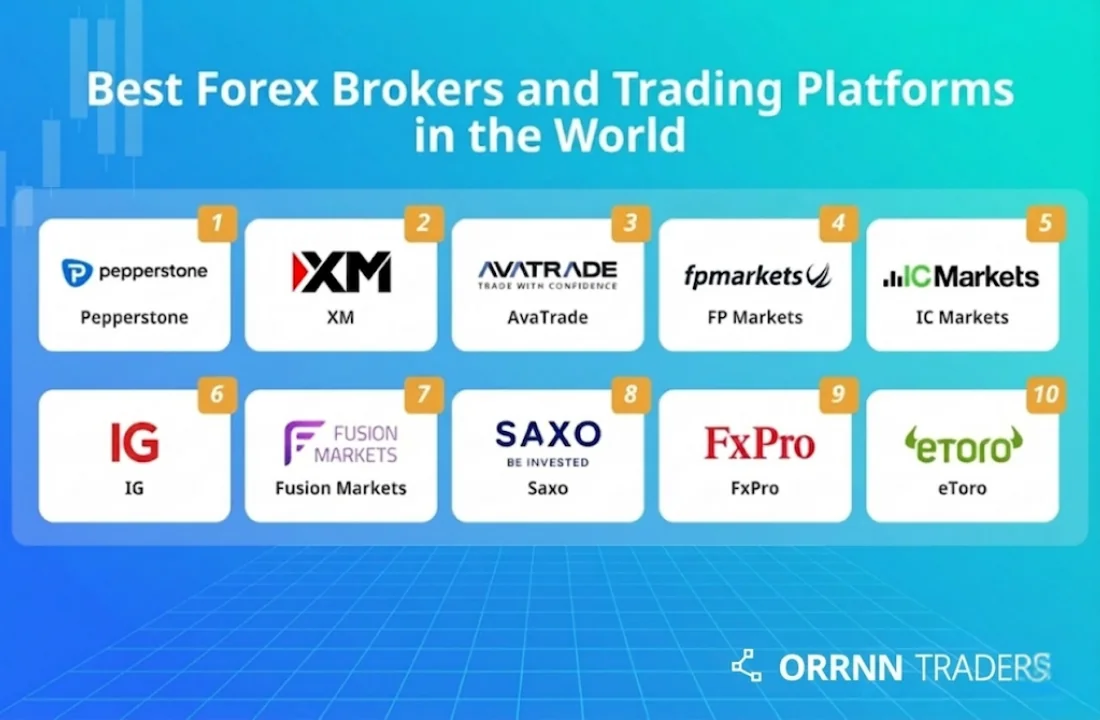
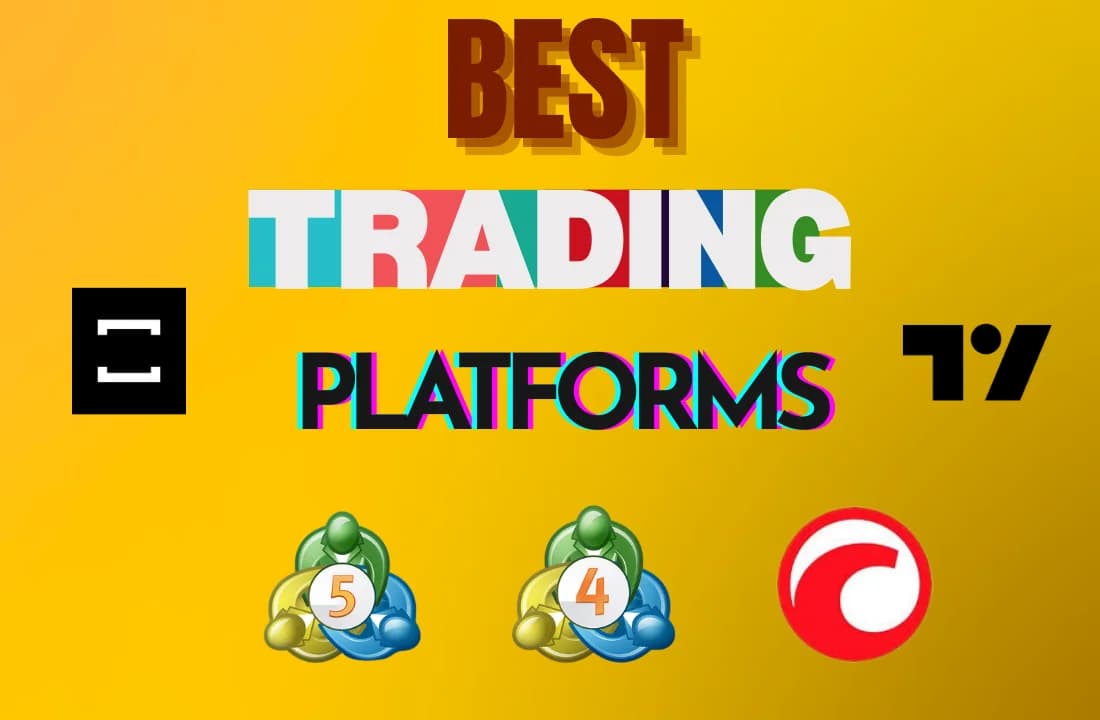
Diving into specific platforms, Pepperstone stands out for its institutional-grade trading conditions and ultra-fast execution speeds. Founded in 2010 and regulated by authorities such as the FCA and ASIC, Pepperstone has built a strong reputation among forex traders worldwide. The broker supports MetaTrader 4, MetaTrader 5, and cTrader, offering spreads starting near 0.0 pips on Razor accounts. Its deep liquidity and low-latency infrastructure make it particularly attractive for scalpers and algorithmic traders. However, beginners may find its advanced tools and professional-focused environment slightly complex when starting out.
XM remains a popular choice for traders seeking accessibility and educational support. Established in 2009 and serving millions of users globally, XM offers flexible account types and low minimum deposits, making it beginner-friendly. The platform provides MT4 and MT5 trading environments, along with extensive webinars, market analysis, and trading tutorials. One of its strengths is negative balance protection and strong client support, although spreads can sometimes be slightly wider compared to ECN-focused brokers.
AvaTrade differentiates itself with a broad multi-platform ecosystem and strong regulatory framework. Founded in 2006, the broker is regulated in multiple jurisdictions including Ireland, Australia, and Japan. AvaTrade supports platforms such as MetaTrader, AvaTradeGO, and AvaOptions, giving traders access to forex, CFDs, commodities, and crypto markets. Its emphasis on security and compliance makes it particularly appealing to traders looking for a trusted global broker with diversified trading tools.
FP Markets has become known for its deep liquidity pools and competitive pricing. Based in Australia and regulated by ASIC, the broker offers both MetaTrader platforms and the advanced IRESS trading system, catering to retail and professional traders alike. With spreads starting from 0.0 pips and fast execution speeds, FP Markets is widely used by high-frequency traders and those running automated strategies.
IC Markets, another Australian-based broker, is frequently cited as one of the leading true ECN brokers in the forex industry. Founded in 2007, it provides access to MT4, MT5, and cTrader with extremely tight spreads and institutional-grade liquidity providers. Many professional traders prefer IC Markets for its consistent pricing and high execution reliability, especially during volatile market conditions.
Moving further, IG stands out as one of the oldest and most established trading providers in the industry. Founded in 1974 and regulated by the FCA, IG offers access to thousands of markets including forex, indices, shares, and commodities. Its proprietary trading platform and advanced charting tools make it a strong choice for experienced traders seeking a broad multi-asset environment.
Fusion Markets has rapidly gained recognition for offering some of the lowest trading costs in the industry. Regulated by ASIC, the broker focuses heavily on reducing commissions and spreads, making it attractive for cost-sensitive traders and high-volume strategies. Fusion Markets supports MetaTrader platforms and emphasizes simple, transparent pricing.
Saxo, also known as Saxo Bank, operates as a regulated Danish investment bank providing premium trading services. Through platforms such as SaxoTraderGO and SaxoTraderPRO, traders gain access to global markets with institutional-level tools. Saxo is often favored by experienced traders and investors seeking advanced analytics and professional trading infrastructure, though its higher account requirements may deter beginners.
FxPro, founded in 2006, offers multiple trading platforms including MT4, MT5, cTrader, and its proprietary FxPro Edge platform. Regulated by the FCA and CySEC, FxPro is known for strong order execution and transparent pricing models across forex, indices, and commodities markets.
Finally, eToro stands out for its unique social trading ecosystem. Launched in 2007, the platform allows traders to copy the strategies of successful investors using its CopyTrader feature. With millions of global users and an intuitive interface, eToro is particularly attractive to beginners and investors who prefer a simplified trading experience. However, its spreads can be slightly higher compared to ECN brokers focused purely on forex trading.
Overall, these ten brokers represent some of the most recognized names in the global trading ecosystem. Each platform offers distinct strengths—from Pepperstone and IC Markets for low-cost forex trading, to IG and Saxo for multi-asset investing, and eToro for social trading innovation. The best choice ultimately depends on a trader’s experience level, strategy, and preferred trading tools.
Advanced Features and Mobile Trading: Enhancing Your Strategy
Beyond basics, advanced features like algorithmic trading and AI analytics set elite platforms apart. For instance, IBKR's API allows custom bots, enabling automated strategies that execute 1,000+ trades daily with 0.1-second latency. A 2023 QuantConnect report found algo traders outperform manual ones by 22% in returns. Platforms integrating machine learning, such as eToro's sentiment analysis from social data, predict market moves with 65% accuracy. Practical advice: Start with backtesting—test strategies on historical data to refine before live deployment, reducing drawdowns by 30%.
Mobile trading has transformed accessibility, with 60% of trades now app-based per a Deloitte survey. Robinhood's app, with biometric login and instant deposits, processes 1 million daily sessions seamlessly. Features like push notifications for price alerts prevent FOMO, while geofencing ensures compliance. However, battery drain and data usage are concerns—opt for Wi-Fi for heavy charting. Example: A day trader in 2022 used thinkorswim mobile to short EVs during a supply chain glitch, netting 15% gains from afar.
Security enhancements, including biometric auth and encryption, are vital amid 2023's 30% rise in phishing attacks (per FBI). Platforms like Fidelity offer $1 million cyber insurance, exceeding SIPC standards. Multi-factor auth and cold storage for crypto add layers. From a regulatory perspective, FCA oversight in Europe ensures fair practices, while U.S. platforms must adhere to Reg BI for transparency.
Customization options, such as watchlists and portfolio trackers, aid personalization. TD Ameritrade's flexible layouts let users monitor 50+ assets simultaneously. Insights from behavioral finance show tailored interfaces boost adherence to plans by 40%. For global traders, multi-language support and 24-hour access bridge time zones. Step-by-step to leverage: 1) Customize dashboards for your assets. 2) Set automated alerts. 3) Integrate third-party tools via APIs. 4) Review performance weekly. Addressing concerns like data privacy, top platforms comply with GDPR/CCPA, minimizing risks.
Multiple perspectives: Beginners value guided tours, pros seek depth. Alternatives like Webull offer free Level 2 data, competing on cost. In volatile crypto markets, Binance.US provides 300+ coins with staking yields up to 10%, but U.S. regulations limit some features. Overall, these tools elevate trading from gambling to strategy, with data showing equipped users averaging 14% annual returns versus 5% for basics-only.
Conclusion: Selecting and Starting with the Best Trading Platform
In summary, the best trading platforms in 2023—eToro for social copying, IBKR for pros, Robinhood for simplicity, thinkorswim for analysis, and Fidelity for research—cater to diverse needs, each backed by robust data on user satisfaction and performance. Key factors like fees, assets, tools, and security underscore the importance of alignment with your strategy, preventing costly mismatches. Advanced features such as algos and mobile apps further empower efficient, on-the-go trading, while regulations ensure safety. Real-world examples, from meme stock booms to crisis pivots, demonstrate how the right platform amplifies opportunities and mitigates risks.
Actionable takeaways include prioritizing low-cost, feature-rich options and testing via demos to match your style—beginners should start with Robinhood's education, while experts explore IBKR's APIs. Common concerns like fees can be addressed by calculating total costs upfront, and security via enabled 2FA. Diversify across assets for resilience, as diversified portfolios weather volatility better, per Vanguard data. Step-by-step to begin: 1) Assess goals and risk tolerance. 2) Compare 3-5 platforms using review sites. 3) Open a demo account for 1-2 weeks. 4) Fund minimally and trade small. 5) Monitor and adjust quarterly.
Ultimately, the trading landscape evolves rapidly, but a data-driven choice today sets the foundation for long-term success. With markets projected to grow 10% annually through 2025 (per IMF), now's the time to act. We recommend visiting platform sites to claim welcome bonuses, such as eToro's $100 credit, and consulting a financial advisor for personalized fit. Empower your portfolio—start trading smarter today and turn market insights into tangible gains.
Download Files
Get the Expert Advisor, indicator, or resources mentioned in this article.
Written by Sofia Anderson
Forex trading expert sharing insights on algorithmic trading, Expert Advisors, and MetaTrader development.